Repair Form

News about our company
and fashion world!

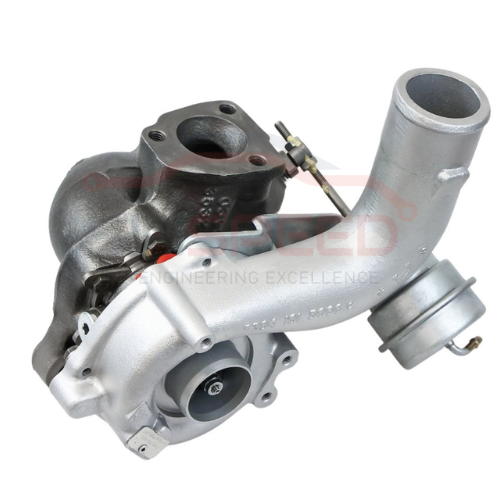
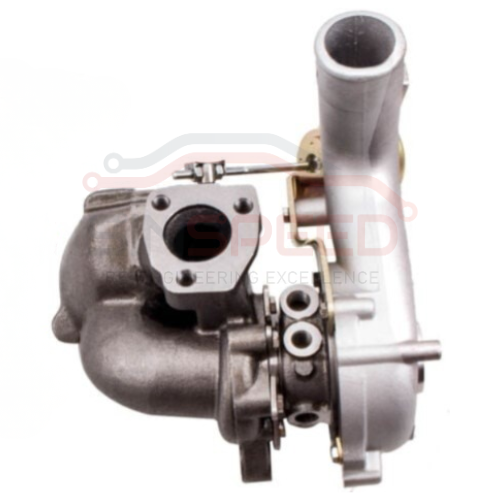
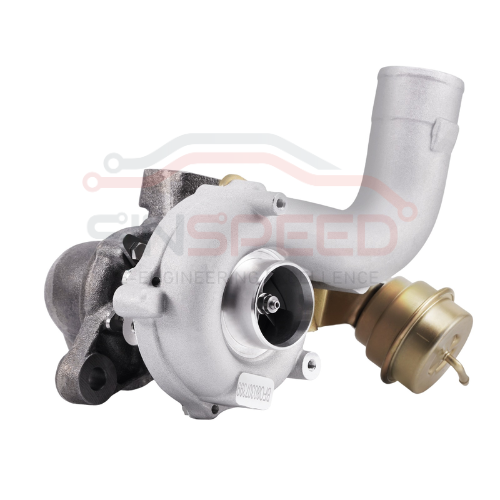
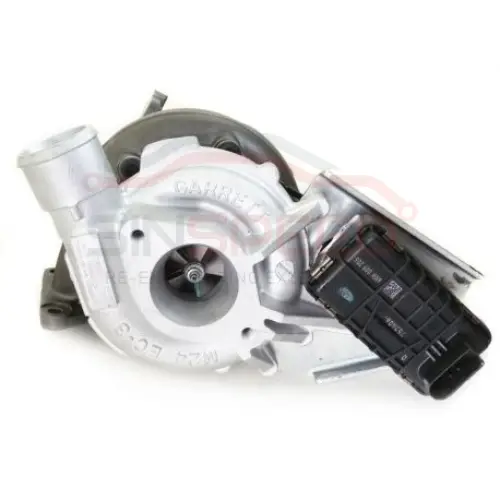
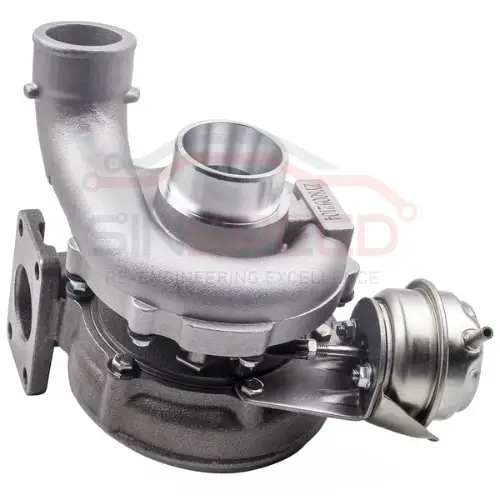
Garrett GT2052V Turbocharger Problems & Repair

GT2052V Turbo Quick Facts

  • Common Vehicles: Nissan Patrol/Safari/Terrano (ZD30DDTi), Audi A4/A6/A8 (2.5L TDI V6), Volkswagen Passat/Transporter/LT Van (2.5L TDI), Skoda Superb (2.5L TDI V6), Land Rover Defender (2.4L TDCI).
  • Key Problems: Over-boosting, actuator failures, sensor contamination, vane sticking, bearing wear, oil starvation.
  • Symptoms: Erratic boost, power loss, hissing/whistling noises, black smoke, high EGT, limp mode, turbo whine/rattling.
  • Fault Codes: P0234 (over-boost), P0299 (under-boost), P0238 (boost sensor high), P0101 (MAF performance), P0400 (EGR malfunction).
  • Solutions: Avoid used/new OEM units due to recurring flaws. Opt for Sinspeed’s remanufacturing with upgrades, lifetime warranty, and quick turnaround. Simply fill in our Repair Form and send it in with your turbocharger!

Table of Contents

  1. Summary
  2. What is the Garrett GT2052V Turbocharger?
  3. Vehicle Applications
  4. Part Numbers
  5. Common Issues
  6. Symptoms of Turbo Failure
  7. Common Fault Codes
  8. Thinking of Buying a Used or New Garrett GT2052V Turbo?
  9. Prevention & Maintenance Tips
  10. How Sinspeed Can Help: Our Turbocharger Remanufacturing Service
  11. Our Lifetime Warranty
  12. Frequently Asked Questions

1. Summary

The Garrett GT2052V turbocharger, commonly fitted to various Nissan, Volkswagen, Audi, Skoda, and Land Rover models with diesel engines, is known for premature failures due to over-boosting, actuator issues, and sensor contamination. This is the second most common failing turbocharger we see, with the BorgWarner K03/K04 turbo failures holding firmly in first place. Common symptoms for the GT2052V include erratic boost pressure, loss of power, hissing noises, and potential engine damage like piston cracking. Fault codes such as P0234 (over-boost condition) and P0299 (under-boost condition) often appear. At Sinspeed, we offer a professional remanufacturing service with upgraded components to address these design flaws, backed by our unlimited mileage lifetime warranty. Avoid costly new or used replacements—send your unit to us for a reliable fix.
2. What is the Garrett GT2052V Turbocharger?

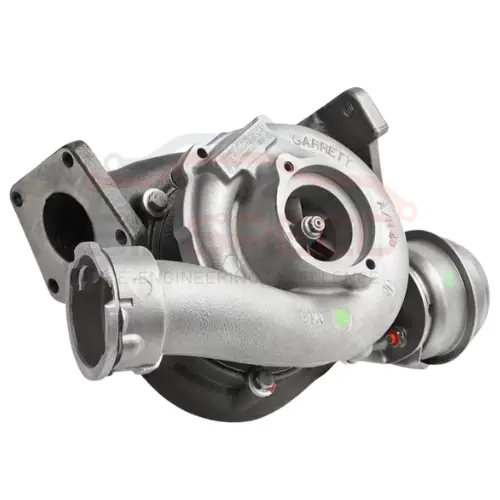
The Garrett GT2052V is a variable nozzle turbine (VNT) turbocharger engineered specifically for diesel engines, delivering efficient boost across a broad RPM range to enhance power output and torque while maintaining fuel economy. This model features a sophisticated variable geometry system that adjusts the turbine vanes via vacuum or electronic actuation, allowing for optimal exhaust gas flow. By narrowing the vanes at low RPMs, it improves throttle response and reduces turbo lag, while opening them at higher RPMs prevents over-boosting and maintains efficiency. With a typical compressor trim of 52 and capable of supporting up to around 225 horsepower in stock configurations, the GT2052V is oil-cooled and utilises a journal bearing setup for durability.

However, despite its advanced design, the GT2052V’s integration into high-compression diesel engines often leads to vulnerabilities. Issues such as oil vapour contamination from the positive crankcase ventilation (PCV) system, flaws in exhaust gas recirculation (EGR) setups, and vane sticking due to soot accumulation can compromise performance. These problems are particularly pronounced in demanding applications like off-roading, towing, or high-mileage commercial use, where heat and contaminants accelerate wear. Over time, this has made the GT2052V a frequent topic in automotive forums and repair communities, with owners reporting failures as early as 100,000 miles in some cases.

3. Vehicle Applications

The Garrett GT2052V turbocharger is widely utilised in a variety of diesel-powered vehicles, particularly those requiring robust performance in off-road, commercial, or passenger applications. It is most commonly associated with Nissan’s ZD30DDTi engine in models like the Patrol and Safari, where it supports heavy-duty use but often encounters issues due to engine design, such as over-boosting exacerbated by EGR modifications. In European vehicles, it features prominently in Volkswagen Group’s 2.5L TDI V6 engines across Audi, Volkswagen, and Skoda models, offering smooth power delivery but susceptibility to soot buildup from urban driving cycles. Additionally, it appears in Land Rover’s Defender with the 2.4L TDCI engine, enhancing torque for rugged terrain while facing challenges from dust and heat in off-road environments.

This versatility across manufacturers highlights its popularity for balancing efficiency and power, though failures are reported universally in high-stress scenarios. For instance, in Nissan applications, the turbo’s interaction with the high-compression ZD30 engine can lead to piston damage if over-boosting isn’t managed, whereas in Volkswagen Transporter vans, vane sticking is more prevalent due to frequent stop-start operation.

ManufacturerModelEngineYears
NissanPatrol GU Y61ZD30DDTi 3.0L Diesel2000-2016
NissanSafariZD30DDTi 3.0L Diesel1997-2016
NissanTerrano IIZD30DDTi 3.0L Diesel1999-2007
AudiA4 (B5/B6)2.5L TDI V61997-2005
AudiA6 (C5)2.5L TDI V61997-2005
AudiA8 (D2)2.5L TDI V61997-2002
VolkswagenPassat (B5)2.5L TDI V61998-2005
VolkswagenTransporter T52.5L TDI (AXD/AXE)2003-2009
VolkswagenLT Van2.5L TDI1996-2006
SkodaSuperb (B5)2.5L TDI V62001-2008
Land RoverDefender2.4L TDCI2007-2016

4. Part Numbers

Identifying the correct part number for the Garrett GT2052V is essential for ensuring compatibility and proper replacement. Garrett assigns specific turbocharger numbers, while OEM manufacturers like Nissan, Volkswagen, Audi, and Land Rover provide their own references, which may vary by engine variant (e.g., direct injection or common rail) and model year. These numbers can be found on the turbo’s nameplate, typically located on the compressor housing, and are crucial for sourcing remanufactured or upgraded units to avoid mismatches. Variations often include superseding suffixes like “-S” for updated versions, and cross-referencing them can help confirm fitment across different applications.

Common part numbers encompass both Garrett’s internal codes and vehicle-specific OEM identifiers, allowing technicians to match the turbo to the exact engine setup. For example, numbers starting with 724639 are prevalent in Nissan ZD30 applications, while those like 454135 are more common in Volkswagen Group vehicles.

Part Number
724639-5006S
454135-5010S
454135-0001
454135-0002
454135-0006
454205-0006
454205-9006
752610-5005S
727264-5004S
14411-VC100
14411-VC200
14411-2X900
14411-VS40A
074145701DV248
LR018396
LR018497
LR010138
LR021013
LR012858

5. Common Issues with the Garrett GT2052V Turbocharger

The GT2052V’s variable geometry design, while advanced, often struggles in high-compression diesel engines due to inherent flaws that manifest under prolonged stress. Over-boosting remains a primary concern, where boost pressure spikes beyond safe levels—frequently exceeding 20-25 psi—placing excessive strain on the turbo and engine components. This issue is particularly acute in Nissan ZD30 applications, where the turbo’s erratic boost curve can lead to piston melting or cracking if not addressed. The root cause often lies in poorly designed EGR systems that recirculate soot-laden exhaust gases, contaminating sensors and causing the ECU to overcompensate with fuel and boost.

Oil vapour from the crankcase ventilation (PCV) system further exacerbates fouling, coating critical components like the mass airflow (MAF) and manifold absolute pressure (MAP) sensors in a layer of tar and residue. This results in inaccurate airflow readings, triggering inconsistent boost delivery. In Volkswagen and Audi models, soot buildup from short urban trips is a common culprit, while in off-road vehicles like the Land Rover Defender, dust ingress can accelerate wear.

Other frequent problems include:

  • Turbo Actuator Failures: The vacuum or electronic actuator can stick or fail entirely, leading to erratic vane control and boost inconsistencies. This is prevalent in Volkswagen and Audi applications, where carbon deposits from incomplete combustion affect the VNT mechanism, often requiring actuator replacement or cleaning.
  • Leaking Intercooler or Pipe Fittings: Crimped fittings or degraded seals allow oil leaks and boost loss, forcing the turbo to overspeed to compensate, which shortens its lifespan.
  • Sensor Fouling: MAF, MAP, and boost pressure sensors become coated in oil, tar, or soot from EGR, triggering over-boost or under-boost conditions and potentially activating limp mode.
  • Vane Sticking: Carbon deposits cause the variable vanes to seize in the VNT system, reducing efficiency, increasing exhaust backpressure, and leading to poor throttle response or limp mode engagement.
  • Overheating and Overspeeding: High exhaust gas temperatures (EGT), often from modifications like EGR blanking or larger exhaust systems, can melt pistons or crack the turbo housing, especially in Nissan ZD30 setups where boost spikes are notorious.
  • Bearing Wear and Oil Starvation: In high-mileage units, journal bearings wear due to contaminated oil or insufficient lubrication, resulting in shaft play, unusual noises, and eventual catastrophic failure.
  • Noisy Operation: Whining or grinding sounds may indicate turbo issues, but diagnostics should rule out other sources like exhaust leaks or accessory belts, as seen in some Nissan Patrol cases.

These issues are intrinsically linked to the engine’s high compression ratios and the turbo’s limitations in heavy-duty environments. Failures are especially notorious in the Nissan ZD30 engine, where over-boosting has been a persistent complaint in off-road communities for decades, often requiring aftermarket interventions for resolution.

6. Symptoms of Garrett GT2052V Turbocharger Failure

Recognising early signs of GT2052V failure is crucial to prevent catastrophic engine damage, such as blown pistons or complete turbo disintegration. Symptoms often develop gradually, starting with subtle performance dips before escalating to more noticeable problems. For example, in daily driving, you might first notice hesitation during acceleration, while under heavy load—like towing or off-roading—the issues become more pronounced.
Common symptoms include:

  • Erratic or spiking boost pressure, leading to uneven acceleration and a “jerky” driving experience as the turbo struggles to maintain consistent output.
  • Loss of power, especially under load or at higher RPMs, where the engine feels sluggish and unresponsive, often accompanied by a drop in top speed.
  • Hissing or whistling noises from leaking pipes, fittings, or actuator issues, indicating boost escaping before reaching the engine.
  • Black smoke from the exhaust due to over-fuelling, as the ECU compensates for perceived low boost by injecting excess diesel.
  • Elevated exhaust gas temperatures (EGT), potentially causing piston melting or cracking, particularly dangerous in modified vehicles.
  • Limp mode activation, where the ECU reduces engine performance to protect components, often triggered by sensor faults or over-boost detection.
  • Unusual turbo whine, rattling, or grinding from bearing wear or vane issues, which may worsen with engine speed.
  • Oil consumption or leaks around the turbo, signalling seal failure or oil starvation.
  • Reduced fuel efficiency, as inefficient boosting forces the engine to work harder.

If these symptoms are ignored, they can escalate to complete turbo failure, stranding the vehicle or necessitating expensive engine rebuilds. Regular monitoring with boost and EGT gauges is recommended for early detection.

7. Common Fault Codes

Diagnostic trouble codes (DTCs) are invaluable for pinpointing turbo-related problems in vehicles equipped with the GT2052V. These codes are logged by the engine control unit (ECU) when sensors detect anomalies, and reading them with an OBD-II scanner can guide repairs. In Nissan models, codes often relate to boost irregularities, while in Volkswagen Group vehicles, they may highlight actuator or vane issues.

Common fault codes include:

  • P0234: Turbocharger over-boost condition—indicates excessive pressure spikes, common in ZD30 engines with EGR modifications.
  • P0299: Turbocharger under-boost condition—suggests actuator or vane sticking, leading to insufficient boost.
  • P0238: Boost pressure sensor circuit high—due to fouled sensors sending erroneous high readings.
  • P0101: MAF sensor performance—frequently triggered by contamination from oil vapour or soot.
  • P0400: EGR flow malfunction—linked to blockages that indirectly affect boost control.
  • P1247: Turbocharger boost pressure low—similar to P0299, often seen in Audi and VW applications.
  • P0235: Turbocharger boost sensor A circuit—indicating sensor failure or wiring issues.
  • P2563: Turbocharger boost control position sensor circuit—specific to VNT actuator problems.

Always use a professional OBD-II scanner to read and clear these codes, and address underlying causes promptly to avoid recurring issues. In some cases, multiple codes may appear simultaneously, pointing to interconnected system failures.

8. Why Buying a Used or New Garrett GT2052V Turbocharger is Not Ideal

Opting for a used GT2052V turbocharger carries significant risks, as these units often inherit the same design flaws—such as weak actuators, vane sticking tendencies, or contamination-prone components—that led to their original failure. Sourced from salvage yards or online marketplaces, used turbos may have hidden wear, like bearing play or internal carbon buildup, resulting in short lifespans and repeated breakdowns. Owners frequently report failures within months, exacerbating downtime and repair costs.

New OEM replacements, while offering initial reliability, retain the inherent vulnerabilities of the stock design and can command prices upwards of £1,000-£2,000, plus labour. Without addressing root causes like EGR contamination or oil vapour issues, even new units succumb to the same problems, with many users experiencing premature wear in unmodified engines. For instance, in Nissan Patrols, new turbos often fail due to unchecked over-boosting, leading to warranty disputes and additional expenses.

Instead, consider having your existing failed turbocharger rebuilt by specialists. Having your turbo reconditioned will return it back to it’s original operating condition and often will include eliminating known design flaws to prevent repeat failures, all at a fraction of the cost of a new unit.

Additionally, preventive modifications like oil catch cans to trap vapour, EGR blanks (where legally permissible), boost control valves such as the Dawes valve for spike prevention, and EGT/boost gauges for real-time monitoring. Upgraded aftermarket turbos with billet compressor wheels provide superior heat resistance and durability but typically require ECU remapping for optimal integration.

9. Prevention and Maintenance Tips

Preventing GT2052V failures involves proactive maintenance and modifications to mitigate common stressors. Regular oil changes with high-quality synthetic diesel oil are essential to prevent contamination and ensure proper lubrication of the journal bearings. Install an oil catch can to capture PCV vapours before they reach the intake, reducing sensor fouling and vane sticking.

Monitor boost and EGT levels with aftermarket gauges, aiming to keep sustained boost below 15-18 psi to avoid spikes. For vehicles like the Nissan Patrol, fitting a Dawes valve and needle valve can smooth the boost curve and prevent over-boosting, especially if the EGR is blanked. Clean or replace MAF and MAP sensors periodically, and inspect intercooler pipes for leaks during routine services.

In high-mileage or off-road applications, consider upgrading to a larger exhaust system to reduce backpressure, but pair it with ECU tuning. Avoid aggressive driving until the engine is warm, and allow a cool-down period after heavy use to prevent oil coking. These steps can extend turbo life significantly, often beyond 200,000 miles with diligent care.

10. How Sinspeed Can Help: Our Turbocharger Remanufacturing Service

At Sinspeed, established in the UK since 2007, we specialise in remanufacturing automotive components like turbochargers to exceed OEM standards. For the Garrett GT2052V, our process includes:

  • Full disassembly and inspection.
  • Replacement of faulty actuators, vanes, and bearings with upgraded, durable parts.
  • Balancing to precise tolerances for smooth operation.
  • Testing on specialised rigs to simulate real-world conditions.

Simply remove the turbo and send it to us via our easy repair form. Turnaround is typically 2-3 days, with common faults repaired for a fraction of new unit costs. Our expertise ensures your vehicle performs reliably, whether it’s a Nissan Patrol in off-road scenarios or an Audi A4 in daily driving.

11. Our Lifetime Warranty

Every remanufactured Garrett GT2052V turbo from Sinspeed comes with an unlimited mileage lifetime warranty, reflecting our confidence in the quality. This covers defects in materials or workmanship, giving you peace of mind. Contact us today to book your repair and keep your vehicle running strong.

12. Frequently Asked Questions

Q: What are the most common failure modes for the Garrett GT2052V turbocharger?
A: The Garrett GT2052V commonly fails due to over-boosting, which can lead to piston damage in engines like the Nissan ZD30DDTi, as well as actuator sticking, vane seizure from carbon buildup, and sensor contamination from EGR soot or oil vapour. These issues are often exacerbated in high-mileage or modified vehicles, resulting in erratic boost and potential engine limp mode.

Q: How can I tell if my Garrett GT2052V turbo is failing?
A: Early signs include loss of power under load, erratic acceleration, hissing noises from leaks, black exhaust smoke indicating over-fuelling, elevated exhaust gas temperatures (EGT), and activation of limp mode. Unusual whining or rattling may signal bearing wear, while fault codes like P0234 or P0299 on an OBD-II scanner confirm turbo-related problems.

Q: What causes over-boosting in the Garrett GT2052V turbo?
A: Over-boosting often stems from faulty actuators, contaminated MAF or MAP sensors due to EGR recirculation or PCV oil vapour, or modifications like EGR blanking without proper boost control. In Nissan Patrol GU models, this is particularly notorious, potentially causing piston cracking if boost spikes exceed 20-25 psi.

Q: Is the Garrett GT2052V turbo suitable for petrol engines?
A: While primarily designed for diesel applications like the ZD30DDTi or 2.5L TDI, some enthusiasts adapt it for petrol engines, but it may struggle with higher EGTs typical of petrol setups. Professional tuning and modifications are essential to avoid overheating or vane issues, though it’s not recommended without expert advice.

Q: How long does a Garrett GT2052V turbo typically last?
A: With proper maintenance, it can last 100,000-200,000 miles, but premature failure is common around 80,000-120,000 miles in demanding conditions like off-roading or towing. Factors like oil quality, EGR system health, and avoiding modifications without tuning significantly impact lifespan.

Q: Can I repair the Garrett GT2052V turbo myself?
A: DIY repairs are not advised due to the complexity of variable geometry components and the need for specialised tools like balancing rigs. Attempting fixes like actuator replacement risks further damage; professional remanufacturing, such as Sinspeed’s service, ensures upgraded parts and testing for reliability.

Q: What is the cost of replacing a Garrett GT2052V turbo?
A: A new OEM unit can cost £1,000-£2,000 plus labour, while used ones risk repeated failures. Remanufacturing offers a cost-effective alternative at a fraction of the price, with upgrades to address design flaws—contact Sinspeed for a quote tailored to your vehicle.

Q: How can I prevent Garrett GT2052V turbo failure?
A: Regular oil changes with high-quality synthetic diesel oil, installing an oil catch can, cleaning sensors periodically, and monitoring boost/EGT with gauges help. For vehicles like the Audi A4 or VW Transporter, avoid short trips that cause soot buildup, and consider boost controllers like a Dawes valve for spike prevention.

Q: Is the Garrett GT2052V interchangeable with other turbos?
A: It shares part numbers across applications (e.g., 724639-5006S for Nissan, 454135-5010S for VW/Audi), but compatibility depends on engine specifics. Always cross-reference OEM numbers and consult a specialist; hybrid upgrades may fit but require ECU remapping.

Q: What should I do if my vehicle throws turbo-related fault codes?
A: Scan with an OBD-II tool to identify codes like P0101 (MAF performance) or P0400 (EGR malfunction). Clean sensors, check for leaks, and address root causes. If persistent, send the turbo for professional inspection and remanufacturing to avoid engine damage.
BorgWarner K03/K04 Turbo Repair Guide: Common Faults, Symptoms, Causes & Fixes

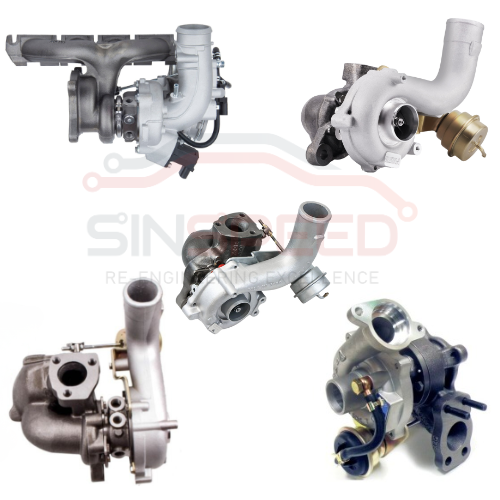
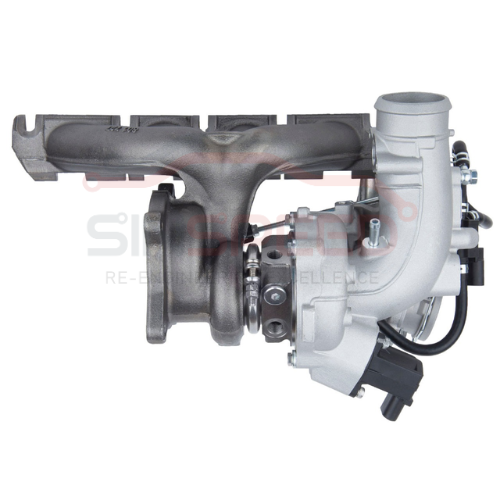
Summary: The BorgWarner K03/K04 series turbocharger is one of the most common forced-induction units fitted to VAG petrol engines (1.8T & 2.0T TSI/TFSI) in models such as the Volkswagen Golf, Audi A3/A4/TT, and Porsche Macan. Despite their compact, water-cooled design, these turbos are notorious for premature failure — typically between 50,000–80,000 miles — due to inherent weaknesses like wastegate pivot corrosion and oil starvation.

At Sinspeed we’ve remanufactured thousands of these exact K03/K04 units since 2007, repeatedly seeing the same failure patterns: rattling or seized wastegates, oil-burning blue smoke, whining bearings, loss of boost, and limp-mode activation. This comprehensive guide details every aspect — from how the turbo works and the most common symptoms to affected vehicles, part numbers, diagnosis steps, and why professional remanufacturing with upgraded components far outperforms buying a new £800–£2,500 OEM replacement.

If your VAG 1.8T or 2.0T petrol engine is suffering power loss, unusual noises, or smoke, this is the definitive resource. When diagnosis confirms the turbo is at fault, send it to the UK’s largest specialist turbo remanufacturer — explore our K03/K04 turbo repair service from £185 +VAT with lifetime unlimited-mileage warranty and 2–3 day turnaround.

The BorgWarner K03/K04 series turbocharger is one of the most widely used forced induction systems in VAG Group (Volkswagen, Audi) vehicles, powering everything from compact hatchbacks to premium SUVs. At SinSpeed, we’ve remanufactured thousands of these turbos since 2007, addressing their notorious failure points with uprated components and lifetime warranties. These turbos often fail prematurely due to design vulnerabilities like wastegate corrosion and oil starvation, leading to costly breakdowns. This pillar page is your complete resource on the K03/K04, covering its design, common issues, affected models, and why professional remanufacturing is the smartest solution. If you’re experiencing power loss or smoke in your VW Golf or Audi A3, this guide will help you identify the issue and decide next steps.

Table of Contents

  1. What is the BorgWarner K03/K04 Turbocharger?
  2. How the K03/K04 Turbo Works: Basic Principles
  3. Common Symptoms of K03/K04 Turbo Failure
  4. Most Common Causes of K03/K04 Turbo Failure
  5. Affected Vehicles: Models, Years, and Engines
  6. K03/K04 Turbo Part Numbers Section
  7. How to Diagnose K03/K04 Turbo Issues
  8. Repair vs. Replace: Why Remanufacturing Beats Buying New
  9. Sinspeed’s K03/K04 Turbo Remanufacturing Service
  10. Prevention Tips for K03/K04 Turbo Longevity
  11. Frequently Asked Questions

1. What is the BorgWarner K03/K04 Turbocharger?

The BorgWarner K03 and K04 series are compact, high-efficiency turbochargers designed for small-displacement petrol engines, primarily in the Volkswagen Audi Group (VAG) lineup. Introduced in the late 1990s for the 1.8T engine and evolved for 2.0T TSI/TFSI motors, the K03 is the base model for entry-level applications, while the K04 is an upgraded variant with a larger compressor wheel for higher flow for higher boost for mid-range performance. These turbos deliver reliable boost for 1.8L to 2.0L engines, producing 150–225 horsepower in stock form. They feature a water-cooled bearing housing for longevity, an internal wastegate for precise boost control, and a cast-iron turbine housing for durability.

Despite their reliability in mild use, K03/K04 turbos have gained a reputation for early failures in high-mileage VAG models, often between 50,000–80,000 miles. Reports from the Automotive Protection Association (APA) highlight widespread issues in 2009–2020 models, leading to class actions and recalls in some regions. At SinSpeed, we’ve seen these turbos fail in patterns tied to oil quality, driving habits, and inherent weaknesses like wastegate pivot corrosion. If you’re experiencing reduced performance, this guide will help identify if your K03/K04 is the culprit.

To answer a common question: the K03/K04 series is designed exclusively for petrol engines in OEM VAG applications. It does not fit diesel engines, which typically use different BorgWarner series like the BV or Garrett GTB for TDI models. This focus on petrol ensures optimal performance in high-revving TSI/TFSI setups, but it also means diesel owners should check for BV-series equivalents.

2. How the K03/K04 Turbo Works: Basic Principles

The K03/K04 operates on the exhaust-driven principle: hot exhaust gases from the engine cylinders enter the turbine housing, spinning the turbine wheel at speeds up to 200,000 RPM. This turbine is connected via a shaft to the compressor wheel, which draws in ambient air, compresses it, and forces it into the intake manifold at pressures up to 1.5 bar, increasing oxygen density for more efficient combustion and power. The twin-scroll design separates exhaust pulses from paired cylinders (e.g., 1-4 and 2-3), reducing lag and enabling quick spooling from as low as 1,500 RPM.

Key components include the compressor housing (aluminium for lightweight heat dissipation), turbine housing (cast iron for extreme heat resistance up to 950°C), centre housing rotating assembly (CHRA) with oil-lubricated journal bearings, and the wastegate assembly. The wastegate, controlled by a vacuum actuator (pneumatic on K03, often electronic on K04), bypasses excess exhaust to regulate boost and prevent overpressurisation. Water cooling in the bearing section helps manage thermal loads, while the actuator rod adjusts the wastegate flap for precise control. In VAG vehicles, the turbo integrates with the engine’s ECU via the CAN bus, monitoring parameters like boost pressure (via MAP sensor), turbine speed, and actuator position to adjust fuel and ignition timing. Faults in this system can trigger limp mode, restricting power to protect the engine from detonation or compressor surge. Understanding this integration is crucial, as turbo problems often mimic sensor or ECU faults, leading to misdiagnosis.

3. Common Symptoms of K03/K04 Turbo Failure

K03/K04 failures develop gradually, starting with subtle performance dips and escalating to total boost loss. Key symptoms include:

  • Power Loss and Limp Mode: The engine feels sluggish, with delayed acceleration or “turbo lag” extending beyond 2,000 RPM. The ECU may trigger limp mode (reduced power, check engine light on) to prevent damage from over/underboost, limiting RPMs to 3,000–4,000. This is particularly noticeable uphill or during overtaking.
  • Unusual Noises: A loud whistling or whining from the engine bay during acceleration indicates compressor wheel damage or bearing wear, often from imbalance. Rattling at idle or low RPMs suggests wastegate flap looseness or shaft play, a common issue in VAG 1.8T engines after 60,000 miles. Grinding noises point to turbine contact with the housing.
  • Exhaust Smoke: Blue smoke from burning oil (worn seals/bearings leaking into the exhaust); black smoke from overfuelling due to low boost (engine compensates with more fuel); white smoke if coolant leaks into the exhaust from cracked housing or lines. Smoke is most visible on startup or acceleration.
  • Boost Pressure Irregularities: Overboost (engine knocking or pinging from excessive pressure) from a stuck wastegate, or underboost (hesitation and flat spots) from actuator leaks or bearing drag. Fuel economy can drop 15–25% as the engine works harder without efficient boost.
  • Warning Lights and Codes: Check engine light with boost-related DTCs (e.g., P0299 underboost, P0234 overboost). In VAG models, the EPC light may activate, and the car may enter emergency mode. These symptoms often worsen in cold weather or after short trips, as thermal cycling accelerates wear on the wastegate and bearings.

4. Most Common Causes of K03/K04 Turbo Failure

From our experience remanufacturing thousands, K03/K04 failures are predictable and often linked to maintenance neglect or design limitations. Top causes:

  • Wastegate and Actuator Issues (40–50%): The wastegate shaft pivot corrodes and seizes from moisture, heat cycles, and exhaust residue, causing over/underboost. Actuator diaphragm tears or rods bend from pressure spikes, a known flaw in VAG 1.8T engines exacerbated by modified tunes. APA reports note this as a systemic issue in 2009–2020 models, leading to recalls in Canada for wastegate rattle and failure.
  • Oil Starvation and Contamination (30–40%): Poor oil quality, infrequent changes, or clogged filters starve the bearings, leading to shaft scoring, imbalance, and eventual seizure. Carbon buildup from short trips or low-quality fuel blocks oil drains, while high EGTs (from aggressive driving) coke the oil.
  • Bearing and Shaft Wear (15–20%): High exhaust gas temperatures (EGTs over 900°C) from lack of cooldown periods cook the journal bearings, causing play and vibration. Debris from failing piston rings or air filters accelerates this, leading to wheel rub and catastrophic failure.
  • Compressor/Turbine Damage (10–15%): Foreign object damage (FOD) from intake leaks ingests debris, shearing blades. Overrevving or boost spikes beyond 1.5 bar fatigues the compressor wheel.
  • Other Factors: Coolant line leaks cause overheating; modified tunes without upgraded intercoolers overload the unit. Reliability data from Consumer Reports shows 2009–2017 VAG 2.0T models with turbo failure rates 2–3x higher than average, often linked to oil system neglect.

5. Affected Vehicles: Models, Years, and Engines

ManufacturerModelYearsEngine
VolkswagenGolf / GTI / Jetta2009–20201.8T / 2.0 TSI
VolkswagenGolf R2016–20192.0 TSI
VolkswagenAtlas2018+2.0 TSI
VolkswagenTiguan2009–20172.0 TSI
AudiA3 / A4 / Q52009–20201.8T / 2.0 TFSI
AudiA52008–20182.0 TFSI
AudiTT2009+2.0 TFSI
PorscheMacan2015+2.0T

Note: These are petrol-only applications. The K03/K04 series is not designed for diesel engines, which use different BorgWarner models like the BV43 for VAG TDI variants.

6. K03/K04 Turbo Part Numbers Section

The K03/K04 series has numerous part numbers based on application, with cross-compatibility in many VAG 1.8T/2.0T setups. Always verify by VIN or engine code to ensure fitment. Here’s a detailed breakdown of common OEM and BorgWarner numbers, including supersessions and equivalents:

[Pending table goes here]

This list covers the most frequent numbers we see at Sinspeed, but variations exist for emissions standards or regional specs.

7. How to Diagnose K03/K04 Turbo Issues

Diagnosis starts with a scan for boost-related codes, followed by pressure testing and visual checks. Use a professional scanner to log boost, actuator position, and wastegate duty cycle during a test drive. Low boost with high duty cycle points to wastegate seizure; overboost suggests actuator failure. Smoke tests reveal leaks, while endoscope inspections check for shaft play or wheel damage. Always rule out oil system issues with a pressure gauge before condemning the turbo.

8. Repair vs. Replace: Why Remanufacturing Beats Buying New

New OEM turbos cost £800–£2,500 but often fail again due to the same design flaws (e.g., wastegate pivot corrosion). Remanufacturing addresses root causes, upgrading pivots, bearings, and actuators for superior longevity. It’s eco-friendly (reduces waste) and costs 40–60% less than new.

9. Sinspeed’s K03/K04 Turbo Remanufacturing Service

We remanufacture K03/K04 turbos with a 2–3 working day turnaround. Every unit is bench tested, stripped down to component level, and rebuilt with genuine OEM or uprated components to eradicate design flaws. Lifetime warranty, unlimited mileage, fully plug-and-play.

10. Prevention Tips for K03/K04 Turbo Longevity

Use high-quality synthetic oil, change every 4,000–6,000 miles, cooldown after hard drives, avoid short trips, and monitor for early symptoms with regular scans.

11. Frequently Asked Questions

Q: How long do K03/K04 turbos last?
A: 50,000–80,000 miles, but failures accelerate with poor maintenance.

Q: Can I drive with a faulty turbo?
A: Not recommended — risk of engine damage from overboost/underboost.

Q: What’s the cost to remanufacture?
A: Competitive — contact us for a quote.

blue and me fiat 500

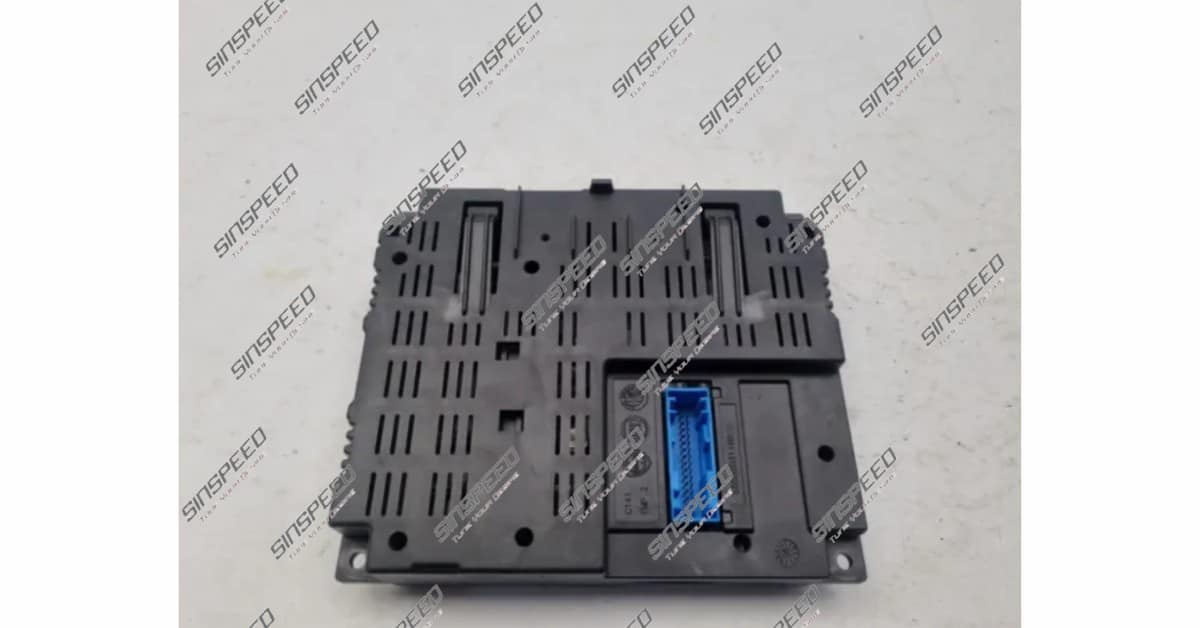
Fiat 500 Blue and Me Bluetooth Module Repairs

Restoring Connectivity: Fiat 500 Blue and Me Bluetooth Module Repairs by Sinspeed

In the modern age of automotive technology, connectivity is key. The blue and me fiat 500 bluetooth module is a pivotal component that enables drivers to seamlessly integrate their smartphones with their vehicles, facilitating hands-free calling, music streaming, and navigation. However, like any electronic device, the Bluetooth module is susceptible to wear and tear over time, leading to malfunctions and connectivity issues.

blue and me fiat 500

Enter Sinspeed, a leading automotive company specialising in the repair and restoration of electronic components. With the expertise and advanced diagnostic tools, Sinspeed offers a comprehensive solution for blue and me fiat 500 bluetooth module repairs, ensuring that you can enjoy the full functionality of the vehicle’s infotainment system.

How We Repair The Common Faults

The Bluetooth module repair process begins with a thorough assessment of the unit to identify the root cause of the issue. Common problems include firmware glitches, hardware failures, and compatibility issues with newer smartphone models. Sinspeed’s team of skilled technicians utilises state-of-the-art equipment to pinpoint the exact fault and develop a tailored repair plan.

One of the most prevalent issues encountered with Fiat 500 Blue and Me Bluetooth modules is related to software bugs and outdated firmware. Sinspeed addresses this by reprogramming the module with the latest software updates, eliminating compatibility issues and enhancing overall performance. Additionally, any damaged or faulty components within the module are meticulously replaced to ensure optimal functionality and longevity.

Compatibility with newer smartphone models is another area of concern for Fiat 500 owners experiencing Bluetooth connectivity issues. Sinspeed stays ahead of the curve by constantly researching and testing compatibility with the latest smartphone models and operating systems. This proactive approach allows them to provide reliable solutions that keep pace with evolving technology trends.

List of some other common issues

  • Bluetooth connection failure
  • Blue & Me system malfunction
  • Limited functionality to radio and CD only
  • Odometer blinking in the instrument cluster
  • USB port malfunction
  • fiat 500 mileage flashing indicator
  • Difficulty connecting phone to vehicle via Blue & Me
  • Intermittent power issues
  • Media player dysfunction
  • Bluetooth connectivity problems
  • Battery drainage problems
  • Display or touch screen unresponsiveness

Additionally

  • Inability to perform software updates
  • Configuration issues or inability to connect to diagnostic device
  • Sporadic malfunction of steering wheel remote control
  • Navigation system malfunction
  • Hands-free system malfunction
  • Error code U1733: Telematics Node Convergence L1 and L2
  • Error code P0022: Convergence Node Control Unit (inactive)

However, Sinspeed offers a comprehensive solution through meticulous testing and rebuilding process. Every blue and me fiat 500 module undergoes rigorous examination. If identified as faulty, Sinspeed rebuilds the unit with higher-than-standard components to prevent future failures.

Detailed Rebuilding Process

Here’s a detailed overview of how we ensure your module is restored to optimal performance:

Test and rebuild

All Fiat Blue and Me modules are scrupulously tested before and after the rebuilding process on our custom-made HIL (Hardware In-the-Loop) testing rigs, to ensure that every unit meets strict OE specifications. If the unit is identified as faulty, it is rebuilt with higher than standard components, to make certain the unit will not fail again.

Programming

No extra effort is required by you, as we retain all original programming during the test and rebuilding process, just simply plug and play once the unit is returned to you.

Quality

Our lifetime warranty is a testament to our confidence in the durability and longevity of our repairs. We don’t just fix the immediate issue; we future-proof your Blue and Me module to ensure that it remains a seamless and integral part of your driving experience for as long as you own your Fiat 500.

What are you waiting for?

Don’t hesitate! Reach out to Sinspeed today to experience unparalleled reliability and excellence in Fiat 500 Blue and Me Bluetooth module repairs. With our lifetime warranty and commitment to customer satisfaction, you can trust us to provide you with peace of mind and a seamless driving experience. Contact us now to learn more about our services and schedule your repair.

Audi A1 DSG Gearbox ECU Repair

Sinspeed’s Solution: Restoring Your Audi A1 with DSG Gearbox ECU Repair

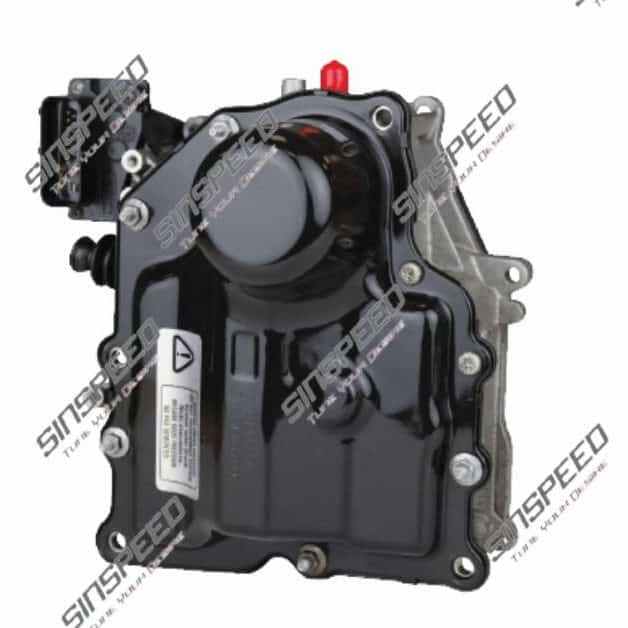
When your Audi A1 encounters gearbox troubles, Sinspeed steps in to provide the solution. Let’s delve into how our expertise can resolve issues with the DSG Gearbox ECU in your vehicle and the common problems that you may experience if your DSG gearbox is faulty.

Audi A1 DSG Gearbox ECU Repair

Identifying the Problem

Your Audi A1 may exhibit symptoms such as an inability to shift gears, illuminated EPC lights, and flashing gear symbols. Despite attempts to replace fuses or diagnose issues, the root cause remains elusive. Here’s a simplified breakdown of these common faults and how Sinspeed addresses them:

  • High-Pressure Leak from Accumulating Canister
  • Thin walls in the valve body’s locating canister lead to high-pressure leaks.
  • Symptoms include rough gear changes, jerking motions, and dashboard fault warnings.

IC Motor & High-Pressure Pump

  • Pressure leaks strain the high-pressure pump, risking burnout.
  • Often misdiagnosed as primary issues, they are secondary problems.

Solenoid Valve Fault

  • Contamination in oil and internal electrical faults cause solenoid failures.

DSG7 Reverse Selector Fault

  • Difficulty engaging reverse or selecting 6th gear is a common issue.
  • Misaligned reverse selectors trigger error codes, leading to misdiagnosis.

DSG Clutches

  • Wear and tear in DSG clutches result in juddering, slipping, and over-revving.
  • Incorrect installation by inexperienced mechanics shortens clutch lifespan.

Bearing Failure

  • Differential and shaft bearing wear leads to audible whining during driving.

Common Fault Codes in DQ200 Mechatronic Units

Understanding fault codes is key to diagnosing and addressing issues with DQ200 mechatronic units. Here’s a simplified breakdown of common fault codes and their meanings:

P0562 System Voltage Low

Indicates that the system voltage is below normal levels, potentially affecting various components’ performance.

P0841 Sensor/Pressure Switch Transmission Fluid Pressure A, Unlikely Signal

Points to an improbable signal from the transmission fluid pressure sensor or switch A, possibly indicating a malfunction.

P1604 Internal Control Module

Indicates an issue with the internal control module, necessitating further diagnosis to pinpoint the exact problem.

P173A Position Sensor 1 for Gear Selector

P173B Position Sensor 2 for Gear Selector

P173C Position Sensor 3 for Gear Selector

P173D Position Sensor 4 for Gear Selector

These codes signify problems with the position sensors for the gear selector, requiring attention to ensure proper gear selection.

P177F Hydraulic Pump System, Supply Voltage Too Low:

Indicates that the supply voltage to the hydraulic pump system is insufficient, potentially affecting gear engagement.

P17BF Pump Protection Maximum Limit Reached

Points to the hydraulic pump system reaching its maximum limit, suggesting potential issues with pump performance or pressure regulation.

P1895 Functional Limitation Due to Pressure Drop

Indicates functional limitations due to a pressure drop in the system, which may affect gearbox operation.

P189C Function Restriction Due To Insufficient Pressure Build-up

Highlights function restrictions resulting from inadequate pressure build-up, potentially affecting gear engagement and shifting.

U0101 No Communication with TCM

Indicates a communication issue with the Transmission Control Module (TCM), requiring investigation to restore communication and diagnose potential transmission-related issues.

Our Remanufacturing Process

Sinspeed’s approach involves remanufacturing your DSG unit to rectify the underlying faults. Through meticulous rebuilding and the integration of superior components, we address the flaws that plague the original unit. Not only does this solution cost significantly less than purchasing a new unit, but it also eliminates the need for reprogramming.

Testing and Assurance

Before and after the rebuild, each unit undergoes a battery of tests, ensuring that it meets and exceeds OEM specifications. 

Better Than Before

Remanufacturing isn’t just a fix; it’s an upgrade. By using stronger materials and thorough testing, the rebuilt unit becomes more reliable than the original.

Quality Assurance and Warranty

Sinspeed’s expertise provides a reliable solution for your Audi A1. With our proven track record and commitment to quality we ensure every remanufactured unit meets high standards. Plus, there’s a lifetime warranty for peace of mind. Sinspeed Repair is the solution to your Audi A1’s gearbox woes. It’s a simple fix that brings big relief, getting you back on the road without breaking the bank.

Contact us now

The Audi A1 DSG gearbox ECU plays a crucial role in the operation of the transmission system, and addressing faults promptly is essential to maintain vehicle performance and safety. At Sinspeed, our dedicated team specialises in diagnosing and repairing Audi A1 DSG gearbox ECUs, utilising advanced techniques and cutting-edge technology to deliver lasting solutions. Trust us to keep your Audi running smoothly on the road ahead. If you’re experiencing any issues with your Audi A1 DSG gearbox ECU, don’t hesitate to contact us now for expert assistance and reliable repairs.

Mini Cabrio 2007-2015 Footwell Module Repairs

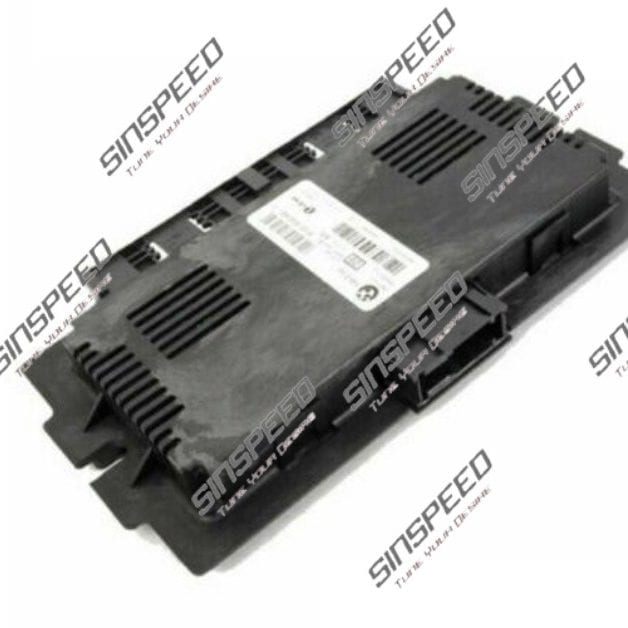
Mini Cabrio 2007-2015 Footwell Module Repairs

In this article we’ll discuss the common challenges, identify affected models, and illuminate how our diagnostic and repair services can alleviate your concerns.

Understanding Your Mini Cabrio Footwell Module

The footwell module is like the control centre for your car’s electronic features. It manages things like interior lights, locking the doors, and controlling the windows, so everything works smoothly while you’re driving.

Common Faults

  • Dim or flickering interior lights could indicate a faulty footwell module.
  • Flickering lights or erratic interior components may suggest problems with the footwell module.
  • Inconsistent or failed power windows could be due to footwell module issues.
  • Problems with central locking systems might point to footwell module malfunctions.

Common Part Numbers

Below is a comprehensive list of the part numbers encountered in our workshops for repair. While this list is extensive, if your part number is not shown, it may still be one we can test and repair, so don’t hesitate to reach out for assistance.

Part NumbersPart Numbers
6135939049161359340339
6135930837161359286887
6135926380361359240533
6135924100861359204536
6135918755961359166708
6135915980861359153779
6135922459561359240527
6135924908361353456588
6135345639461359263800
6135345605161359224589
6135924100661359230450
6135345742761353456034
6135345639561359241005
6135924053061359230447
6135923044861359241007
6135924908161359249080
6135922459361359241002
6135923045161359263797
6135922459261359224594
6135923045461359251487
6135926379461359240523
6135922458861359251486
6135924908461359224618
6135923043261359230433
6135922461661359224617
61359224598613592230445
6135923044561359146058
6135926380161359249082
6135923044661359230438
6135924052861359241004
6135934033361359230453
6135939048461359197159
6135939048361359340331
6135923044461359241011
6135682706461359225496
6135926983061359263798
6135924052461353456587
6135345742861353455895
6135924908561353456393
613534570296135345730
6135682707261353457429
6135345758661359263791
613592245976135981387801
613592514860161359251486-01
613592245940161359224594-01
613534573920161353457392-01
6135928725061359230455
6315926379361359263793
6135925148961359383050
613592698155350538C200
6135345752861353456988
6135345698761359241012
6135924252261359249086
6135345589661353457526
6135345695261359308361
6135924052961353457426
6135924100361353456586
6135924053261359224596
613592872516135345639401
613592698300161359249074
6135345739061353457390
6135345738961353457389
6135345695161359224590
6135345698661353457587
6135345740261353457400
6135922459161359249092
6135345703161353457401
61353457403 61353457387
6135345695361353457596

Fault Codes Of Mini Cabrio FRM3

Affected Models: 2007-2015 Mini Cabrio Variants

  • A056: Interior Lighting Control Module – Supply Voltage
  • B156: Window Regulator Switch, Passenger Side – Defective
  • C302: Central Locking Control Module – Communication Failure
  • D408: Footwell Module – Malfunction
  • E201: Power Window Motor, Driver Side – Circuit Short to Ground
  • F101: Footwell Module – Overload Protection Activated

No Mini Cabrio model is immune to potential footwell module challenges. From early models in 2007 to the 2015 iterations, these issues can affect the entire Mini Cabrio lineup, including convertible variants.

Our Mini Cabrio Footwell Module Repair Service

At Sinspeed, we go above and beyond to address footwell module concerns. Through meticulous diagnostics and repair procedures, we rectify underlying issues, ensuring optimal performance and reliability. Additionally, we stand behind our workmanship with a lifetime warranty, providing you with peace of mind and confidence in your vehicle.

Why Choose Us for Your Footwell Module Woes?

Expertise and Experience

Our team of skilled technicians possesses extensive experience in diagnosing and repairing Mini Cabrio footwell modules, ensuring accurate and efficient service.

Quality Assurance

We utilise high-quality components and industry-leading repair techniques to restore footwell modules to peak performance, exceeding expectations and industry standards.

Customer Satisfaction

Your satisfaction is our top priority. We strive to deliver exceptional service and support, ensuring a seamless experience from diagnosis to repair completion.

Warranty Coverage

With our comprehensive warranty coverage, you can trust in the longevity and reliability of our repairs, providing you with peace of mind for the road ahead.

Contact Us Today

Choose Sinspeed as your trusted partner for Mini Cabrio footwell module repairs, and let us help you regain control and confidence in your driving experience. Call us today to schedule a diagnostic appointment and take the first step towards resolving your footwell module concerns.

Mini Clubman Footwell Module

Mini Clubman Footwell Module 2006-2014 Repair Services

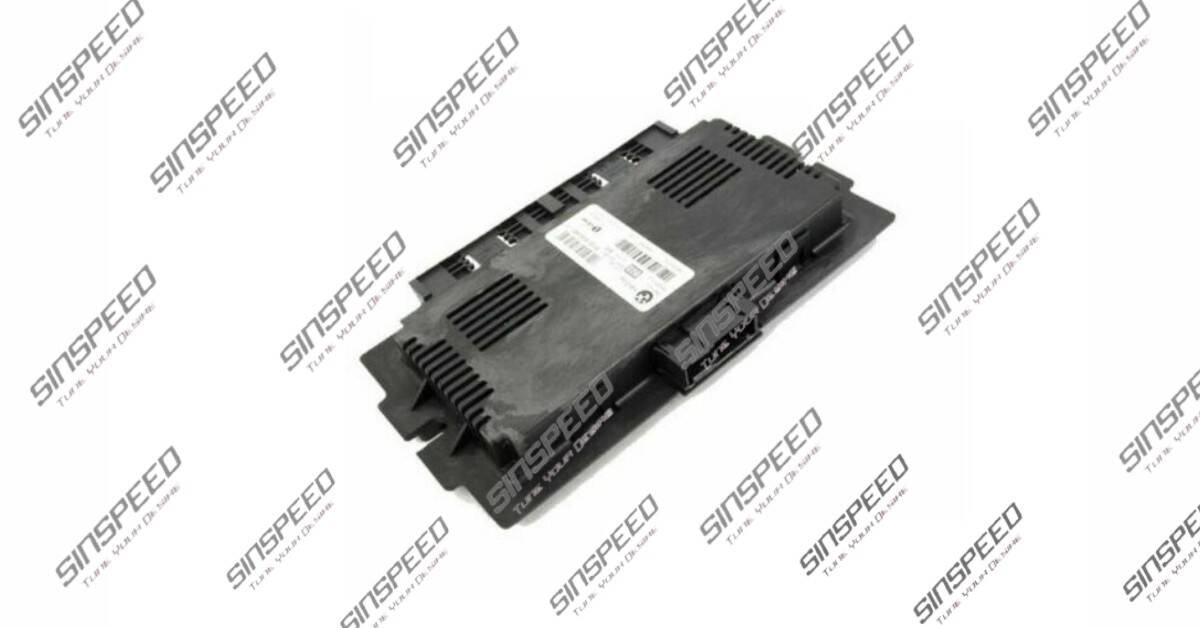
The Mini Clubman, with its distinctive design and practicality, has won the hearts of many drivers worldwide. However, like any sophisticated vehicle, it relies on intricate electrical systems to function smoothly. Among these systems, the footwell module plays a pivotal role, ensuring the seamless operation of various functions. In this article, we delve into the complexities of the Mini Clubman footwell module, exploring its functions, common issues, and how Sinspeed can provide expert repair services, particularly for models produced between 2006 and 2014.

Mini Clubman Footwell Module

Understanding Common Issues

  • Indicators not working.
  • Hazard lights not working.
  • Headlights staying on / won’t switch off.
  • Taillights staying on / won’t switch off.
  • No main beam Interior lights not working.
  • Electric windows not working or will open but not always close.
  • No communications with FRM unit.
  • Fuse Blowouts.

Fault codes:

Diagnostic trouble codes (DTCs) stored within the footwell module can provide valuable insights into underlying issues. Here are some common DTCs associated with Mini Clubman footwell module faults:

  • A101: Interior Lighting Circuit Malfunction
  • B202: Central Locking System Failure
  • C303: Window Control Module Communication Error
  • D404: Electrical System Malfunction
  • Affected Model Years: 2006 – 2014

Why Choose Sinspeed?

  • Genuine Components
    We use only high-quality components during the rebuilding process, prioritizing longevity and reliability.
  • Exceeding OE Specifications
    Our commitment to excellence ensures that every rebuilt footwell module meets and exceeds OE specifications, guaranteeing optimal performance.
  • No Programming Required
    Customers can rest assured that repaired units won’t require additional programming. All programming data is retained during the rebuild process, streamlining the installation process.
  • Lifetime Warranty
    We stand behind our workmanship. All repaired Mini Clubman footwell modules come with a lifetime warranty, providing customers with peace of mind.

Common Part Numbers

Below is a comprehensive list of the part numbers encountered in our workshops for repair. While this list is extensive, if your part number is not shown, it may still be one we can test and repair, so don’t hesitate to reach out for assistance.

Part NumbersPart Numbers
6135939049161359340339
6135930837161359286887
6135926380361359240533
6135924100861359204536
6135918755961359166708
6135915980861359153779
6135922459561359240527
6135924908361353456588
6135345639461359263800
6135345605161359224589
6135924100661359230450
6135345742761353456034
6135345639561359241005
6135924053061359230447
6135923044861359241007
6135924908161359249080
6135922459361359241002
6135923045161359263797
6135922459261359224594
6135923045461359251487
6135926379461359240523
6135922458861359251486
6135924908461359224618
6135923043261359230433
6135922461661359224617
61359224598613592230445
6135923044561359146058
6135926380161359249082
6135923044661359230438
6135924052861359241004
6135934033361359230453
6135939048461359197159
6135939048361359340331
6135923044461359241011
6135682706461359225496
6135926983061359263798
6135924052461353456587
6135345742861353455895
6135924908561353456393
613534570296135345730
6135682707261353457429
6135345758661359263791
613592245976135981387801
613592514860161359251486-01
613592245940161359224594-01
613534573920161353457392-01
6135928725061359230455
6315926379361359263793
6135925148961359383050
613592698155350538C200
6135345752861353456988
6135345698761359241012
6135924252261359249086
6135345589661353457526
6135345695261359308361
6135924052961353457426
6135924100361353456586
6135924053261359224596
613592872516135345639401
613592698300161359249074
6135345739061353457390
6135345738961353457389
6135345695161359224590
6135345698661353457587
6135345740261353457400
6135922459161359249092
6135345703161353457401
61353457403 61353457387
6135345695361353457596

Contact Us Now

The Mini Clubman footwell module is a vital component that ensures the smooth operation of various electrical systems. When faced with issues, turning to experts like Sinspeed can provide reliable solutions. With our expertise, genuine components, and commitment to quality, we strive to deliver unparalleled repair services, ensuring Mini Clubman owners can enjoy their vehicles to the fullest.

Feel free to get in touch with us to discuss your needs and schedule a repair service for your Mini Clubman footwell module.

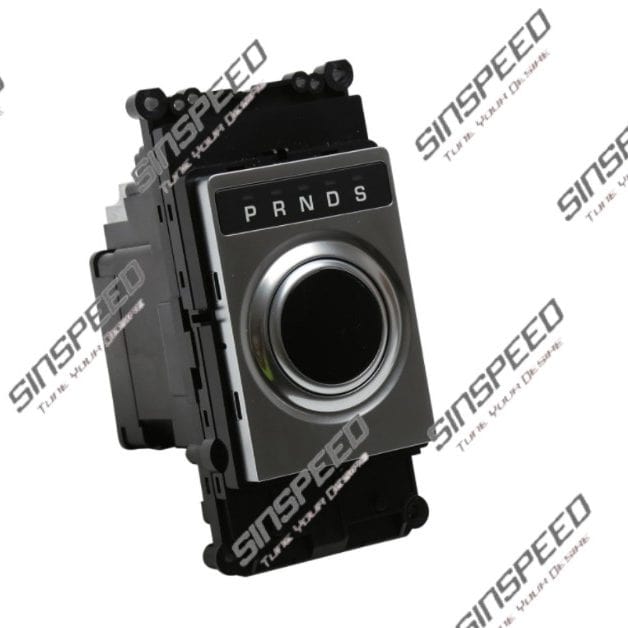
land rover gear selector repair

Land Rover Gear Selector Repairs

Summary: This article delves into the common Land Rover gear selector issues, offering insights into common problems, affected vehicles, often related fault codes, and our testing & repair services.

Understanding Land Rover Gear Selector Problems:

Land Rover vehicles are renowned for their rugged performance and off-road capabilities. The gear selector is a vital link between the driver and the vehicle’s transmission system. In Land Rover models such as the Range Rover Sport, Evoque, Discovery, and others, gear selector issues may manifest as difficulty shifting gears, erratic behaviour, or complete failure to engage gears. These problems can stem from various factors, including mechanical wear, electrical faults, or software glitches within the gear shift module.

The known affected vehicles include:

  • Discovery 4 (2009 – 2016)
  • Discovery Sport (2015 – 2019)
  • Discovery 5 (2017 – Present)
  • Range Rover (2012 – 2020)
  • Range Rover Sport (2009 – Present)
  • Range Rover Evoque (2011 – 2019)

Common Gear Selector Problems:

When the gear shift selector module fails, it can be extremely frustrating. Some of the faults may be intermittent whilst others can appear at once and be permanent, rendering the vehicle completely undrivable. Below are some of the most common issues we have seen with client units that have been sent in to us for repair.

  • Gear selector dial does not rise or fall
  • Cannot rotate gear selector dial
  • Cannot select gear / stuck
  • Fault Code: P176C-11 – Transmission Range Selector Lock Control Error
  • Additional Codes: P176A and P176B

Our Land Rover Gear Selector Repair Service:

At Sinspeed, we understand the frustration and inconvenience caused by gear selector problems in Land Rover vehicles. That’s why we offer specialised gear selector repair services tailored to address these specific concerns. Our team of experienced engineers have the expertise and diagnostic capabilities necessary to diagnose and rectify gear selector malfunctions promptly. Whether it’s repairing mechanical components, addressing electrical faults, or reprogramming the transmission control module (TCM), we ensure that your Land Rover’s gear selector operates flawlessly.

Why Choose Sinspeed for Your Land Rover Gear Selector Repair?

When it comes to resolving Land Rover gear selector issues, Sinspeed stands out as a trusted partner for discerning drivers. Here’s why you should choose us for your Land Rover gear selector repairs:

  • Expertise: With years of experience in automotive electronics and transmission systems, our engineers have the knowledge and skills to tackle even the most complex gear selector problems.
  • Precision Repair: We utilise advanced diagnostic equipment and repair techniques, combined with high-quality components that meet & exceed OEM specifications to ensure accurate and long-lasting solutions for your Land Rover’s gear selector issues.
  • Quality Assurance: At Sinspeed, we stand behind our workmanship with a Lifetime Warranty, providing you with complete peace of mind and confidence in the repairs we perform.
  • Customer Satisfaction: Your satisfaction is our top priority. We strive to deliver a personalised service and attentive support, keeping you informed throughout the repair process.
  • Affordability: We believe in fair and transparent pricing, offering competitive rates for our Land Rover gear selector repair services without compromising on quality.

Conclusion: Gear selector problems can significantly impact the driving experience and reliability of Land Rover vehicles. By understanding the common symptoms, diagnostic procedures, and effective repair solutions, Land Rover owners can address gear selector issues promptly and restore optimal performance. Whether it’s a Range Rover Sport, Evoque, Discovery, or other models, trust Sinspeed to deliver exceptional gear selector repair services tailored to your needs. Drive confidently with Sinspeed – your trusted Land Rover gear selector repair partner.

Common Part Numbers

Below we’ve put together a list of some of the common part numbers we frequently see in our workshops for test and repair.

Part NumbersPart Numbers
BH427E453AH30SLK10011107
BH427E453AJBH427E453AE
EH227E453AB30SLK10121364
PEJ327E453CA30SLK10103699
GJ327E453AB30SLK10130800
Audi A4 ABS

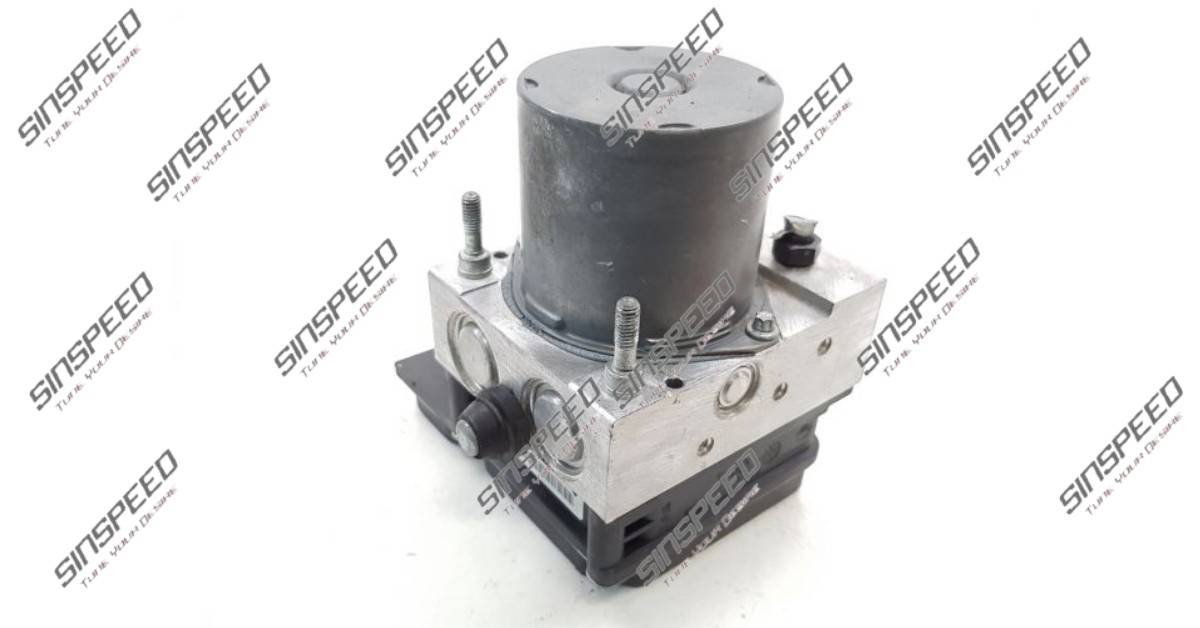
Audi A4 ABS Diagnosis & Repair Services

Is your Audi A4 ABS experiencing issues? These problems can be stressful and compromise safety from warning lights to erratic braking. Let’s dive into more details regarding Audi A4 ABS and cover all the main issues including common problems, causes, some additional tips and how we can help you!

Audi A4 ABS

Common Audi A4 ABS Problems

  • Warning lights: Illuminated ABS, ESP, or Traction Control lights often indicate sensor or ECU malfunctions.
  • Unusual brake performance: This could include spongy brakes, extended stopping distances, or vibrations during braking.
  • Reduced stopping power: Without a functioning ABS, braking distances can increase, posing safety risks.
  • No ABS activation: During hard braking, the wheels lock up instead of pulsing, preventing optimal stopping power and control.

Causes of Audi A4 ABS Problems

  • Faulty wheel speed sensors: These sensors monitor wheel rotation and send crucial data to the ABS.
  • Damaged ABS pump / ECU: The control unit of the ABS can malfunction due to internal component wear or software glitches.
  • Faulty wiring or connections: Electrical issues can disrupt communication between sensors and the ABS.
  • Low brake fluid level: Insufficient fluid can trigger warning lights and affect braking performance.

Sinspeed: Your Trusted Solution for Audi A4 ABS Repair

We offer a comprehensive approach to your A4’s ABS problems:

  • Expert diagnosis: Our technicians utilise advanced tools to pinpoint the exact cause of the issue. Visiting a qualified mechanic with specialised Audi diagnostic tools is crucial to pinpoint the exact cause of the issue. Depending on the diagnosis, repairs may involve replacing faulty sensors, the ABS module, or fixing electrical issues. In some cases, software updates might be necessary.
  • Repair or replacement: We prioritize repair wherever possible, using high-quality OEM parts for cost-effectiveness and reliability.
  • Software updates: We ensure your ABS is running on the latest software for optimal performance.
  • Transparency and communication: We keep you informed throughout the process, explaining the issue and repair options clearly.
  • Warranty and peace of mind: We stand behind our work with a comprehensive warranty for your added assurance.
  • DIY repairs: While technically possible, ABS repairs often require specialized knowledge and tools. Attempting DIY repairs with proper expertise can improve the problem and maintain safety.

Additional Tips

  • Regular maintenance: Scheduled brake system checks and fluid changes can help prevent ABS problems.
  • Genuine parts: Opting for high-quality, OEM-equivalent parts ensures optimal performance and reliability.
  • Warranty coverage: Check your warranty terms to see if ABS repairs are covered.

Frequently Asked Questions

What are ABS problems in Audi A4 vehicles?

ABS (Anti-lock Braking System) problems in Audi A4s may manifest as warning lights on the dashboard, pulsating brake pedals, or difficulty in braking, indicating potential issues with the ABS sensors, control module, or hydraulic unit.

What are the common causes of ABS problems in Audi A4s?

Common causes include faulty ABS sensors due to dirt or damage, malfunctioning control modules, hydraulic unit failures, or wiring issues.

How can I diagnose ABS problems in my Audi A4?

Diagnosing ABS problems may require specialized diagnostic tools. Start by checking for any warning lights on the dashboard, and then inspect ABS sensors, wiring, and connections. It’s advisable to consult a qualified mechanic or Audi dealership for a thorough diagnosis.

Are ABS problems in Audi A4s dangerous?

Yes, ABS problems can compromise the vehicle’s braking system, leading to reduced braking effectiveness and increased stopping distances, potentially increasing the risk of accidents. Prompt attention to ABS issues is essential for safety.

Can I drive my Audi A4 with ABS problems?

It’s not recommended to drive with ABS problems as it can compromise your safety. If you encounter ABS issues, have your vehicle inspected by a professional mechanic or Audi service center immediately.

How are ABS problems in Audi A4s typically repaired?

Repair methods vary depending on the specific issue. It may involve replacing faulty ABS sensors, repairing wiring or connections, recalibrating the ABS, or replacing the ABS control module or hydraulic unit. Professional diagnosis is crucial for determining the appropriate repair.

Are ABS problems covered under Audi warranty?

Warranty coverage depends on various factors such as the vehicle’s age, mileage, and specific warranty terms. Consult your Audi dealership or warranty documentation for clarification on coverage for ABS-related issues.

How can I prevent ABS problems in my Audi A4?

Regular maintenance, including brake system inspections, keeping ABS sensors clean, and addressing any warning signs promptly, can help prevent ABS problems. Additionally, drive cautiously to minimize wear and tear on braking components.

Are there any recalls related to ABS problems in Audi A4s?

Audi periodically issues recalls for various safety-related issues, including ABS problems. Check with your local Audi dealership or the National Highway Traffic Safety Administration’s (NHTSA) website for any recall information relevant to your Audi A4 model.

Where can I get help with ABS problems in my Audi A4?

Seek assistance from certified Audi mechanics or authorised service centers specialising in Audi vehicles. They have the expertise and tools to diagnose and repair ABS problems effectively, ensuring your vehicle’s safety and performance.

Don’t let ABS problems keep you off the road or let ABS problems compromise your safety. By understanding the symptoms, causes, and repair options, you can make informed decisions to get your Audi A4 back in top shape and ensure safe driving. Contact us today for a free consultation and get your Audi A4 back on the road with confidence.

Conclusion

In conclusion, ABS issues in your Audi A4 can cause stress and safety issues, such as warning lights, irregular braking, reduced stopping power, and wheel locking. Common causes include defective wheel speed sensors, damaged ABS pump/ECU, poor wiring, and low brake fluid. Sinspeed offers comprehensive diagnosis, repair, software updates, clear communication, and a comprehensive warranty. DIY repairs may be possible, but require specialized knowledge and materials.

Visit our website or call us for further information and expert advice.

Together, let’s keep your Audi A4 performing at its best.

Remember: Your safety is paramount. If you suspect an ABS issue, consult us immediately.

corsa d abs pump

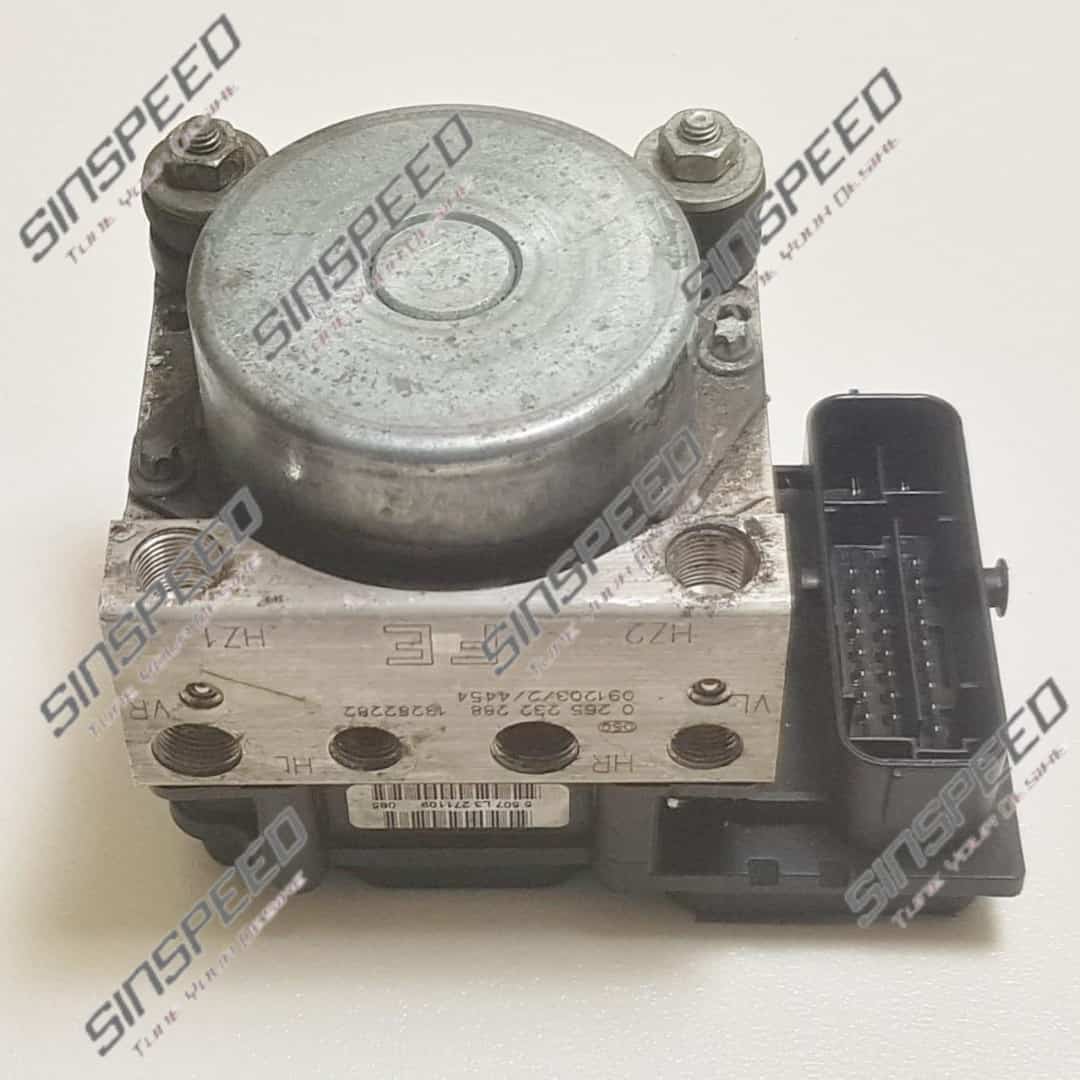
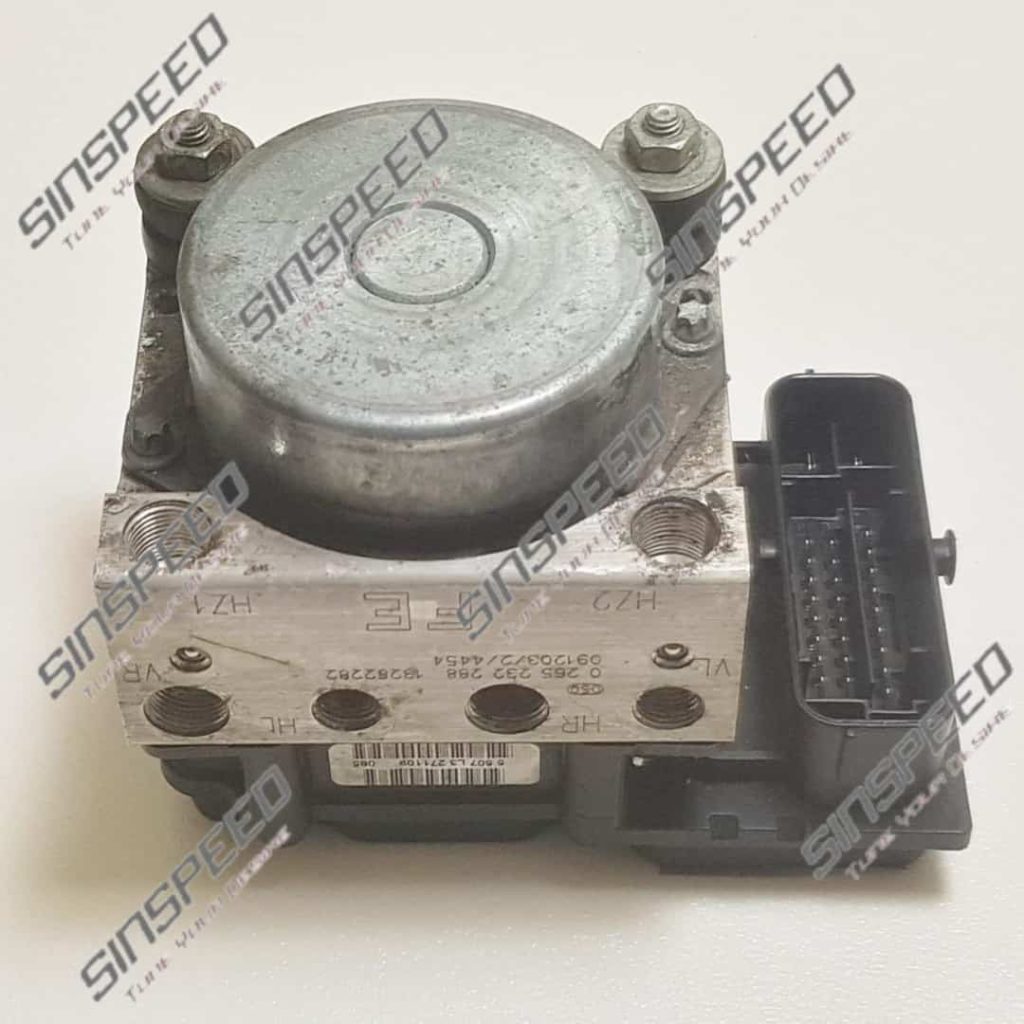
Vauxhall Corsa D ABS Pump Repairs

Summary: The Vauxhall Corsa D Anti-lock Braking System (ABS) is controlled via a Bosch ABS Module with the pump motor mounted on top to enhance vehicle safety and control during braking manoeuvre’s. However, it is a notoriously common failing part due to a design fault, which compromises its functionality and potentially jeopardising road safety. In this article we take a look into how these problems manifest, the importance of timely diagnosis and effective repair solutions. At Sinspeed, we specialise in providing meticulous repair services for Corsa ABS systems, driven by our expertise, precision, and unwavering dedication to customer contentment. Rely on us to tackle your Corsa ABS pump concerns with unmatched proficiency and attention, all backed with a lifetime warranty for complete peace of mind.

Understanding the Vauxhall Corsa D ABS Pump

The Vauxhall Corsa D ABS pump is a very common failing part and has been found fitted to all Corsa models between 2006-2014 in all engine sizes. It is a vital component of the Corsa D’s braking system, responsible for modulating brake pressure to prevent wheel lock-up during sudden or emergency braking situations. The pump assembly comprises of a hydraulic block, electronic control module and a pump motor, all working in tandem to ensure smooth and effective braking performance. Maintaining the ABS system is crucial for preserving vehicle safety and stability on the road.

Common Faults and Symptoms:

No Fluid To One or More Brake Calipers
Pulling To One Side When Braking


Most commonly when this ABS pump fails, the valves become defective and in particular it effects the Near-Side Front (N/S/F) brake, which can be observed when trying to bleed the brakes, you will note that there will be no fluid coming from the bleed nipple on the left front brake caliper.

Not only are defective brakes an MOT failure but this particular fault can also result in the vehicle veering to the right during heavy braking. Whilst this ABS unit can fail in other ways, the fault we are discussing will not necessarily bring up any warning lights on the dash to warn the driver of a fault. However, it is a serious fault, which should not be ignored.

Other less common faults that we have seen associated with this type of unit include:
No communication With ABS Module
ABS Warning Light On
Brake Pressure Sensor & Other Wheel Speed Sensor Faults

We have extensive testing capabilities on these types of ABS pumps. So whether you have a fault as listed above or a different fault, get in touch to see if it is something we can assist with.

Common Vauxhall Corsa D ABS Pump Part Numbers

Below is an extensive list of part numbers we have seen associated with the Corsa ABS pump. If you cannot find your part number in the table, get in touch as it may still be a unit that we can test and repair.

PartnumbersPartnumbers
9319275313236012
13277812AQ / FB
02658004220265231537
02652322380265800796
02658009380265209002
02652090140265209018
02652090250265209064
02652310210265231027
02652310450265231047
02652310730265231075
02652310770265231081
02652311070265231109
02652311100265231123
02652311740265231300
02652313020265231306
02652313120265231317
02652313270265231331
02652313330265231341
02652313570265231359
02652313650265231379
02652314150265231417
02652314260265231443
02652314480265231450
02652314520265231454
02652314760265231502
02652315160265231522
02652315310265231535
02652315500265231558
02652315680265231577
02652315790265231583
02652315850265231603
02652316170265231626
02652316640265231668
02652316700265231672
02652316820265231698
02652317080265231712
02652317210265231730
02652317320265231734
02652317710265231792
02652317960265231804
02652318080265231841
02652318430265231850
02652318580265231891
02652318930265231899
02652319450265231948
02652319510265231956
02652319610265231972
02652319850265231997
02652319990265232047
02652320530265232065
02652320690265232075
02652320770265232100
02652321100265232112
02652321290265232138
02652321460265232169
02652321750265232212
02652322140265232224
02652322360265232239
02652322400265232244
02652322610265232267
02652322760265232279
02652322850265232288
02652322890265232290
02652322920265232348
02652323500265232356
02652323660265232384
02652323860265232392
02652323980265232403
02652324110265232413
02652324390265232485
02652324870265232489
02652324910265232517
02652325190265232609
02652326390265232644
02652327040265232706
02652327080265232718
02652328400265232846
02652328550265232913
02652329390265232963
02652370030265237015
02652370190265237028
02652370340265237037
02652370430265237048
02652370500265237065
02652370940265237025
02652512270265800300
02658003010265800303
02658003040265800306
02658003080265800313
02658003150265800316
02658003170265800319
02658003200265800328
02658003290265800330
02658003310265800332
02658003330265800334
02658003350265800343
02658003580265800362
02658003630265800364
02658003690265800372
02658003740265800375
02658003760265800377
02658003810265800382
02658003870265800388
02658003890265800390
02658003940265800395
02658004030265800406
02658004110265800414
02658004150265800419
02658004200265800421
02658004270265800431
02658004360265800440
02658004410265800443
02658004440265800446
02658004530265800461
02658004680265800486
02658004910265800493
02658004940265800495
02658004970265800498
02658004990265800502
02658005060265800510
02658005110265800512
02658005140265800516
02658005170265800518
02658005190265800523
02658005260265800527
02658005410265800542
02658005530265800555
02658005560265800557
02658005580265800559
02658005600265800561
02658005620265800573
02658005740265800577
02658005780265800579
02658005840265800585
02658005960265800598
02658006050265800606
02658006070265800609
02658006130265800623
02658006270265800628
02658006350265800636
02658006370265800639
02658006400265800641
02658006460265800647
02658006480265800650
02658006560265800662
02658006630265800673
02658006870265800688
02658006900265800696
02658006990265800706
02658007080265800712
02658007150265800717
02658007250265800729
02658007330265800734
02658007370265800738
02658007620265800770
02658007710265800775
02658007760265800778
02658007840265800789
02658007910265800794
02658007950265800800
02658008080265800810
02658008110265800816
02658008170265800818
02658008190265800838
02658008390265800844
02658008600265800861
02658008630265800870
02658008710265800872
02658008820265800884
02658008880265800891
02658008940265800897
02658009030265800911
02658009120265800914
02658009180265800942
02658009530265800962
02658009680265800972
02658009830265800986
02658010030265801010
02658010110265801012
02658010180265801022
02658010350265801036
02658010440265801055
02658010790265801087
02658010890265801091
02658011090265801124
02658011330265801158
02658011650265801175
02658011760265801179
02658011950265801918
02652328920281801011
026523105713145396
1318231913182320
1327646113277812FB
1328228213337843
14005132801401109880
140125978015.5260.80
15.5260.8215.5260.84
16082-002616082-0032
16082-003616082000
160820013160820037
27534AG01027534FE230
27534SA0803550110-P00
38110-B012844510-02110
44510-0228044510-05040
4541F54541K0
4541LF4670A401
4680221546828246
4684483047600-AX600
47660-9U10047660-AV712
47660-AX60047660-BC60A
47660-BU70047660-JD000
47660-VL30A476600053R
476604621R476608497R
47660JX50A47669-JD00G
504075551504075553
504075555504182307
504182322504346582
50434658451725097
5176100551766602
517981045179971
5180090951801319
5180132151801819
5180459651805700
5180591551809236
5181119951818961
5182013251823789
5182457451826507
5182958551859235
5186029051871685
5188081551884549
5188668351894800
5190512751910174
5192835955700423
56110-55L0056110-55L10
56110-79J0056110-79J10
58910-1C31058910-1C800
58910-1J00058910-2B300
58910-2B35058910-3E400
58920-1H30058920-1H400
58920-2L3005S61-2M110-AB
5Z0614117B5Z0614117K
5Z0907379A5Z0907379F
6C11-2M110-BC6Q0417117AJ
6Q0614117N6Q0614117S
6Q0907379AA6Q0907379AC
6Q0907379AF6Q0907379AG0002
6Q0907379AGH036Q0907379AK
6Q0907379BC6Q0614117R
6Q0907379R6R0614117AB
6R0614117D6R0614117F
6R0614117H6R0614117K
6R0614117M6R0614117P
6R0614117R6R0614117T
6R06144176R0614417F
6R09073796R0907379AB
6R0907379AC6R0907379AD
6R0907379AE6R0907379AG
6R0907379C6R0907379J
6R0907379K6R0907379L
6R0907379M6R0907379S
6R0907379T71748850
75160111057699065
77112097721704
82000386958200129951
82002291378200334969
82003774558200527390
82005597498200661044
82007398528200747138
82007471408200756092
82008069808200846463
820088446068200963331
82010118388201063079
82011424338201239662
87752789540-B2190
89738798508973879860
9319261593195839
938624509646828780
96505767809651873780
96594571809660107180
96601971809660779880
96635755809663940880
96651965809665701080
96657346809666092980
96741968809801127780
A4544200975NF49437A0
UR61-437A0

Our Vauxhall Corsa D ABS Repair Service

At Sinspeed, we empathise with the frustration and inconvenience caused by ABS pump issues. That’s why we offer specialised ABS pump repair services designed to specifically address these concerns. Our team of highly skilled engineers have the expertise and experience required to promptly diagnose and resolve all types of ABS pump malfunctions. By leveraging state-of-the-art diagnostic tools, bespoke built testing rigs and advanced repair techniques, we ensure that your Corsa’s ABS system functions optimally. Following the completion of repairs, there’s no need for reprogramming, and all repaired units are returned with a Lifetime Warranty, providing you with complete peace of mind.

Why Choose Sinspeed for Your Vauxhall Corsa D ABS Problems?

When it comes to addressing Vauxhall Corsa ABS issues, Sinspeed is your trusted partner. Our commitment to excellence is evident at every step of our service, from the initial diagnosis to the final repair. Here’s why you should choose Sinspeed for resolving your Corsa D ABS issues:

  • Expertise: Our engineers boast years of experience in automotive electronics, equipping them with the knowledge and skills necessary to address even the most intricate ABS problems with confidence.
  • Precision Repair: Utilising state-of-the-art diagnostic equipment and advanced repair techniques, we guarantee precise and enduring solutions for your Vauxhall Corsa ABS issues.
  • Quality Assurance: All units undergo testing before and after repairs to ensure that all faults are rectified and that the unit is fully functional.
  • Customer Satisfaction: At Sinspeed, your satisfaction is paramount. We are dedicated to providing personalised service and attentive support, ensuring you’re kept informed every step of the way during the repair process.
  • Affordability: We are committed to fair and transparent pricing, providing competitive rates for our Corsa ABS repair services without compromising on quality.
  • Lifetime Warranty: All repaired units are returned with a Lifetime Warranty for complete peace of mind.

Conclusion:

In conclusion, timely diagnosis and repair of Vauxhall Corsa D ABS pump faults are essential for maintaining vehicle safety and performance. By understanding common issues, employing accurate diagnostic techniques, and choosing appropriate repair solutions, drivers can ensure the reliability and longevity of their ABS pumps. When it comes to addressing Vauxhall Corsa D ABS problems, trust Sinspeed to deliver exceptional repair services tailored to your needs.

Peugeot 207 power steering

Peugeot 207 power steering failure repairs

Summary: Discover common causes, symptoms, and solutions for Peugeot 207 power steering failure, ranging from EPS unit faults to fluid leaks. FAQs address practical concerns. Prompt attention is crucial for safety and vehicle performance. Read and empower yourself with insights into Peugeot 207 power steering challenges, ensuring a smoother ride and informed decision-making.

Peugeot 207 power steering

Causes of Peugeot 207 Power Steering Failure

The most common cause of power steering failure in the Peugeot 207 is a fault with the Electric Power Steering (EPS) unit. The EPS unit is responsible for providing power assistance to the steering wheel, and it can fail due to some reasons, including

Electric Power Steering (EPS) Motor Failure: The Peugeot 207 is equipped with an Electric Power Steering system, and a malfunctioning EPS motor can lead to power steering failure. This may be due to wear and tear, electrical issues, or manufacturing defects.

Steering Control Module Failure: The Power Steering Control Module, responsible for interpreting driver input and adjusting power assistance accordingly, can malfunction. Software glitches or hardware failures within the module can disrupt the power steering system.

Fluid Leaks or Contamination: Power steering fluid leaks or contamination can compromise the system’s functionality. Over time, fluid levels may drop, affecting the performance of the power steering pump and leading to failure.

Symptoms of Peugeot 207 Power Steering Failure

Some symptoms can indicate that your Peugeot 207 is experiencing power steering failure, including

Heavy Steering

One of the earliest signs of power steering issues is a noticeable increase in steering effort. The steering wheel becomes difficult to turn, requiring more force from the driver.

Steering Wheel Vibration

Vibrations or erratic movements in the steering wheel can indicate problems with the power steering system, including potential issues with the EPS motor or control module.

Dashboard Warning Lights

Warning lights such as the EPS warning light on the dashboard may illuminate, signalling a fault within the power steering system. Ignoring these warnings can lead to complete power steering failure.

Whining or Groaning Noises

Unusual noises during steering, such as whining or groaning sounds, may suggest problems with the power steering pump, fluid levels, or other components.

Solutions and Repairs

If you are experiencing a power steering failure in your Peugeot 207, it is important to have it repaired as soon as possible. There are a few different ways to repair the problem, including

Replacing the EPS unit

This is the most common and most reliable way to repair the problem. However, it can also be the most expensive, as a new EPS unit can cost several hundred dollars.

Refurbishing the EPS unit

Some companies offer EPS unit refurbishment services. This involves repairing the faulty EPS unit and returning it to the customer. Refurbishment is typically less expensive than replacement, but it is not always available.

Soldering the EPS unit 

If you are handy with a soldering iron, you may be able to repair the EPS unit yourself. Only those who are confident in their soldering abilities should attempt this delicate process, though.

Professional Diagnosis

If experiencing symptoms of power steering failure, it is crucial to seek a professional diagnosis. A qualified mechanic can perform diagnostics to identify the root cause of the issue.

EPS Motor Replacement

In cases of EPS motor failure, replacement may be necessary. Replacing the faulty motor with a quality, OEM-compatible unit is recommended.

Power Steering Control Module Repair

Repair or replacement of the Power Steering Control Module may be required. This often involves addressing software issues or replacing the module with a reliable, compatible unit.

Fluid Inspection and Leak Repair

Regular inspection of power steering fluid levels and addressing any leaks promptly can prevent further damage to the system. Repairs may involve fixing leaks, replacing hoses, or flushing and refilling the power steering fluid.

Preventing Peugeot 207 Power Steering Failure

There are a few things you can do to help prevent power steering failure in your Peugeot 207, including

  • Avoid driving through deep water or puddles.
  • Have the EPS unit checked and serviced regularly, according to Peugeot’s recommended maintenance schedule.
  • Parking the car in a garage or other covered area to protect it from the elements.

Additional Tips

  • If you are experiencing power steering failure in your Peugeot 207, it is important to pull over to the side of the road as soon as possible and turn off the engine. Do not try to drive the car any further, as this could be very dangerous.
  • Call a tow truck to have your car towed to a qualified mechanic.
  • When choosing a mechanic to repair your Peugeot 207 power steering, be sure to choose one who is familiar with this particular problem.

FAQs

1. What should I do if I experience heavy steering in my Peugeot 207?

If you notice heavy steering, it’s advisable to consult a professional mechanic for a thorough inspection. This symptom could indicate potential power steering issues that require attention.

2. How can I tell if my Peugeot 207’s power steering control module is malfunctioning?

Dashboard warning lights, unusual steering wheel vibrations, or erratic movements can be indicators of a malfunctioning power steering control module. A diagnostic check by a qualified mechanic is recommended.

3. Are power steering issues covered under warranty for Peugeot 207 models?

Warranty coverage varies, and it’s essential to check the terms of your specific warranty. Power steering issues may be covered under certain circumstances, especially if the car is still within the warranty period.

4. Can I continue driving my Peugeot 207 if the power steering warning light is on?

While it may be possible to continue driving, it is not advisable. The power steering warning light indicates a fault, and driving with compromised power steering can pose safety risks. It’s recommended to seek professional assistance promptly.

5. How often should I check the power steering fluid in my Peugeot 207?

Regularly check the power steering fluid levels during routine maintenance. If you notice a significant drop in fluid levels or any signs of leakage, address the issue promptly to prevent potential damage to the power steering system.

6. Can I replace the power steering components in my Peugeot 207 myself?

While some DIY enthusiasts may be capable of basic maintenance tasks, power steering system repairs often require professional expertise. It’s recommended to consult a qualified mechanic for accurate diagnosis and repairs to ensure safety and proper functionality.

7. Is it possible to prevent power steering issues in my Peugeot 207?

Regular maintenance, including checking fluid levels, addressing leaks promptly, and adhering to the manufacturer’s recommended service intervals, can help prevent power steering issues. Professional inspections can also catch potential problems early.

8. How much does it cost to repair or replace the power steering components in a Peugeot 207?

The cost of repairs or replacements can vary based on the specific issue, parts needed, and labour costs. It’s advisable to obtain quotes from reputable mechanics to get an accurate estimate for your particular situation.

Conclusion

Addressing the Peugeot 207 Power Steering Failure requires a systematic approach, from identifying the causes to implementing appropriate solutions. Seeking professional assistance and addressing symptoms promptly is essential to ensure the safety and performance of your Peugeot 207 on the road.